
Eat Like a Local
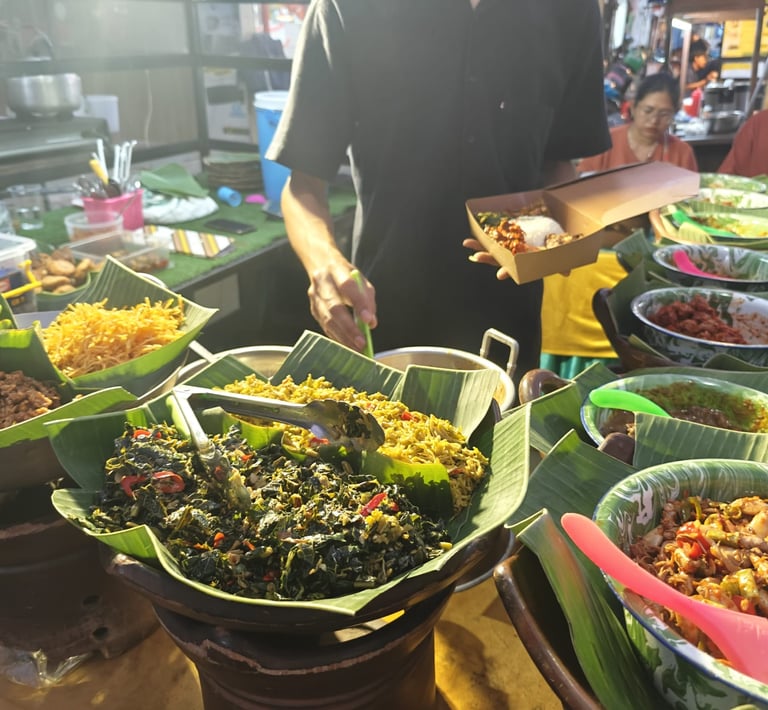
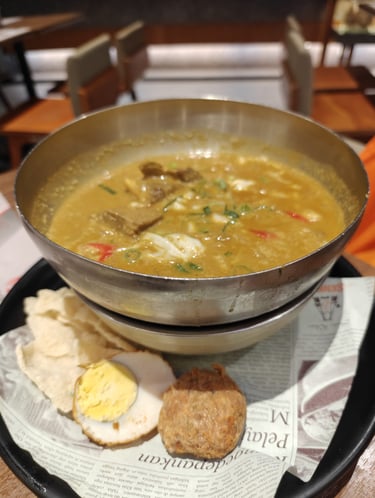
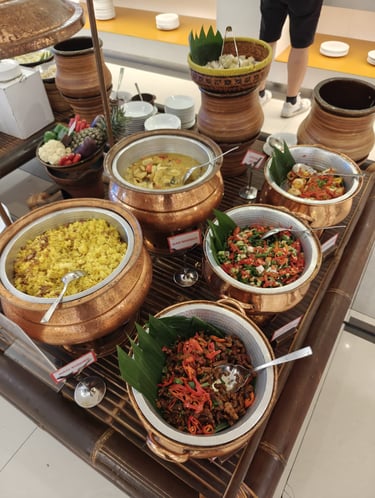
Nasi Campur
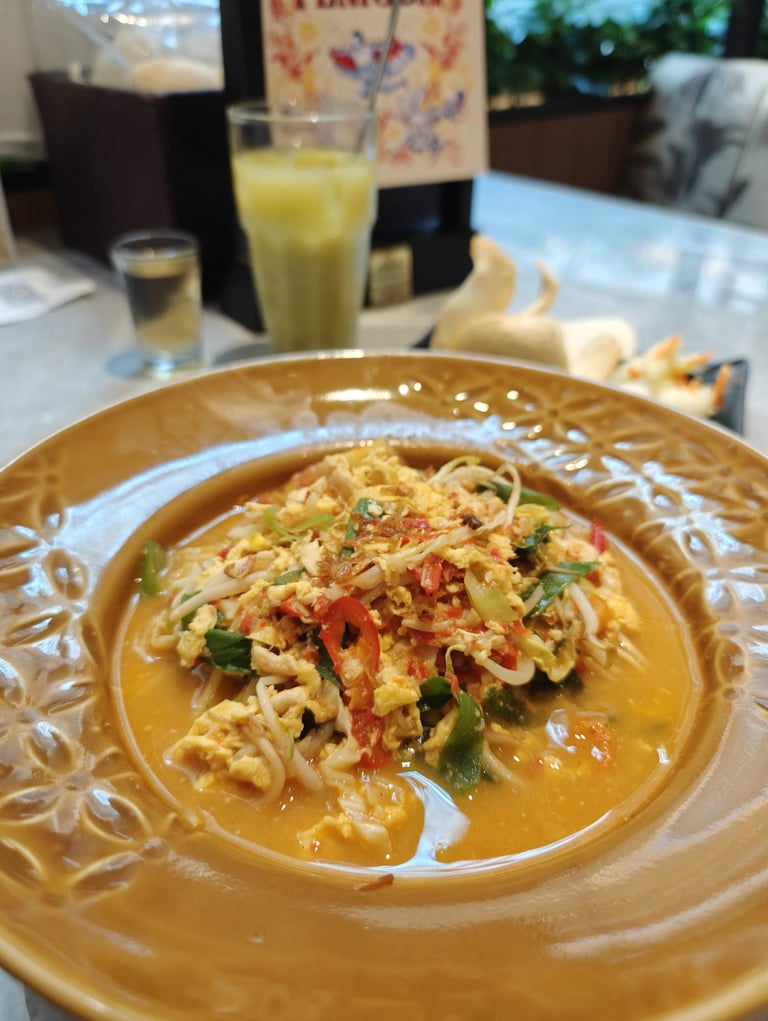
Mee Jawa
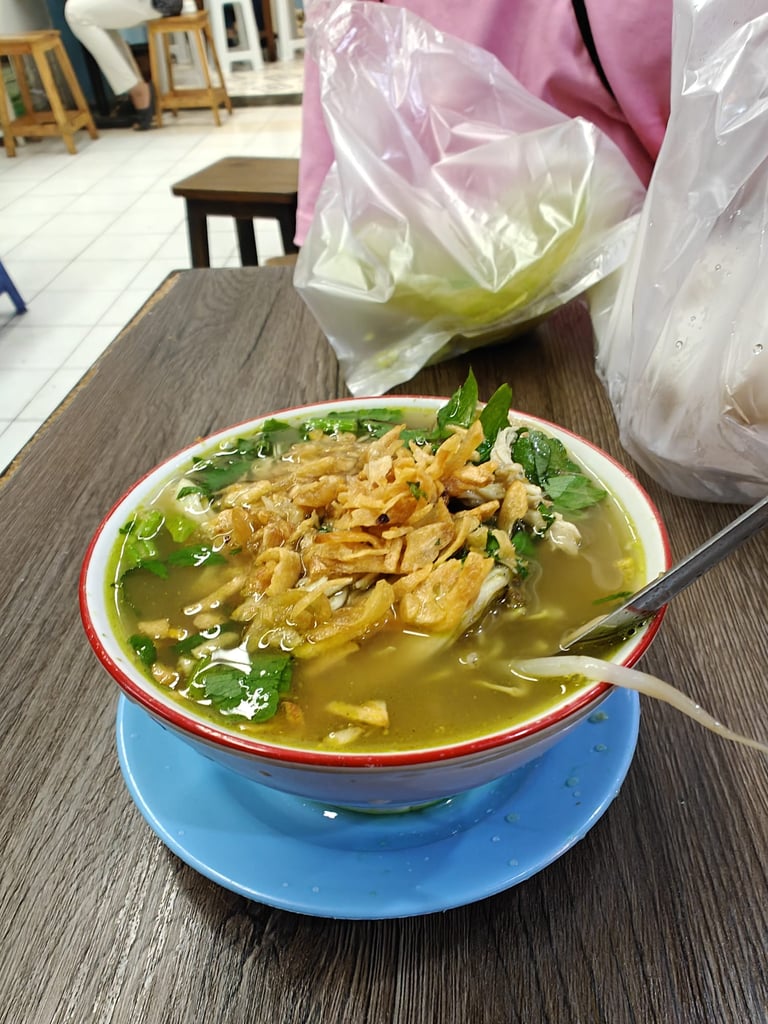
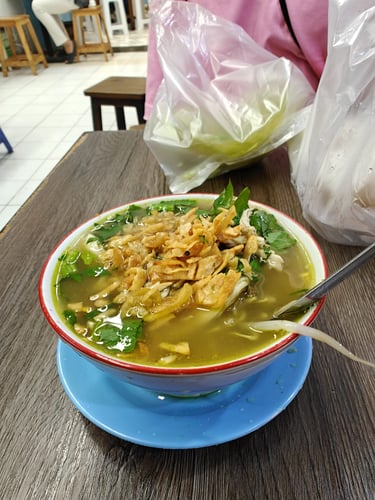
Soto Ayam
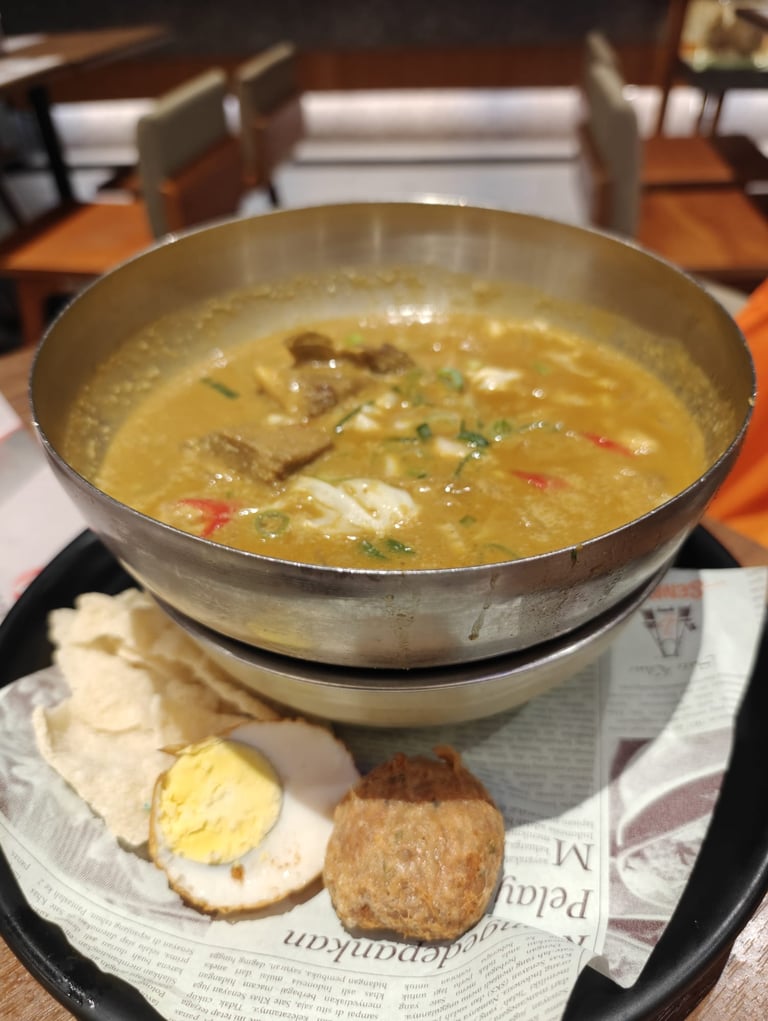
Soto Batawi
Stop Eating Like a Tourist.
Jakarta's Public Transportation
Getting Around
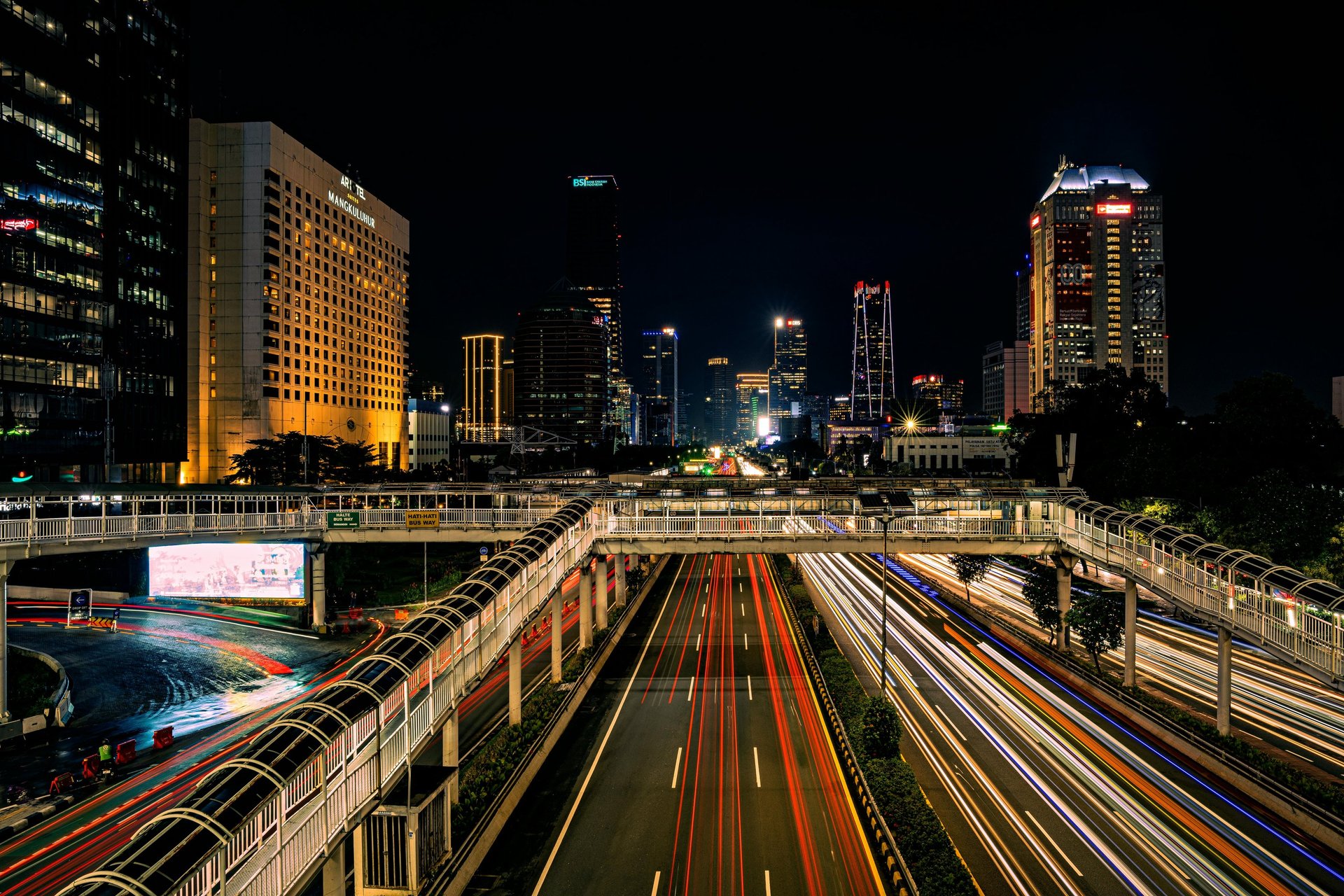
Navigating Jakarta offers a high energy blend of modern infrastructure and traditional transit, requiring a strategic approach to handle the city’s famous traffic conditions. I highly recommend that you rely on the MRT Jakarta for travel along the main north-to-south corridor, as this clean and efficient rail system allows you to bypass the gridlock on the streets below. For areas not yet reached by the metro, the TransJakarta bus rapid transit system provides dedicated lanes that offer a reliable alternative to standard road travel
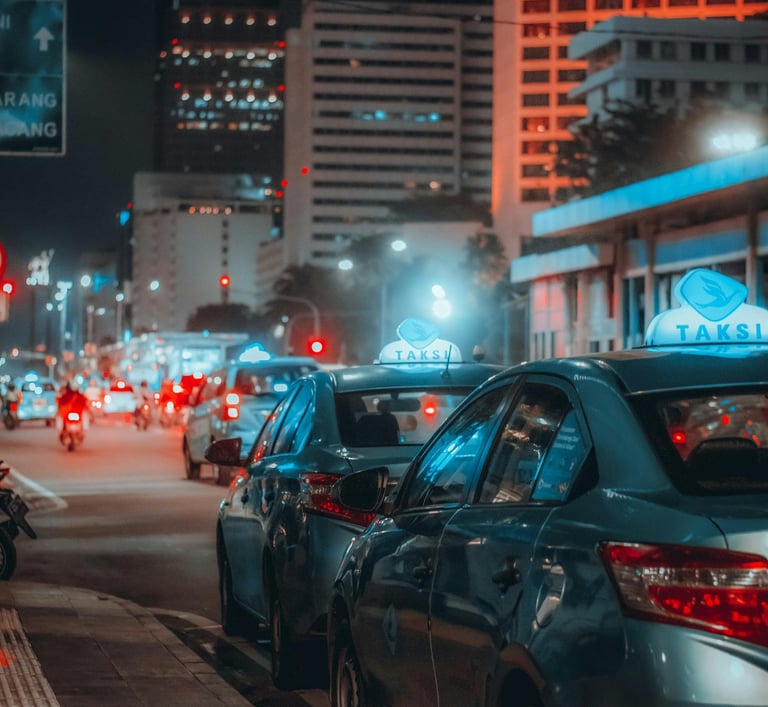
For point-to-point convenience, you should ensure you have ride-hailing apps such as Gojek or Grab installed on your phone. These platforms provide transparent pricing for both private cars and motorcycle taxis, which are essential for weaving through stationary traffic. If you prefer a traditional metered taxi, Bluebird remains the gold standard for reliability and safety across the capital. While the city continues to expand its walkable zones, having a digital payment method such as a multipurpose transport card or a QRIS-enabled app is essential for a seamless and comfortable visit.
City Transit: Traditional and Integrated Networks
Jakarta is a sprawling megacity that is increasingly connected by a sophisticated transport web designed to improve your travel experience.
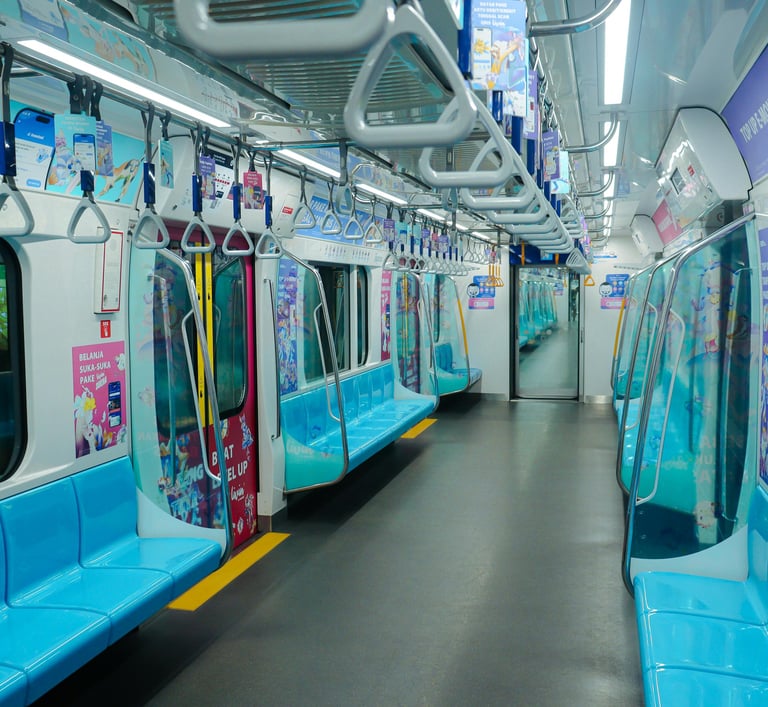
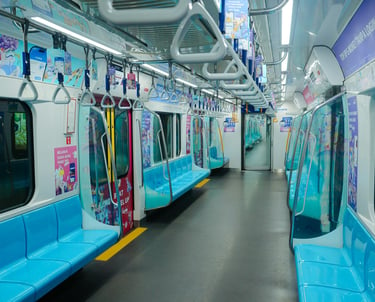
The MRT and LRT: The Mass Rapid Transit serves as the backbone of the city’s modern transit strategy, connecting the business districts of central Jakarta to the residential hubs in the South.
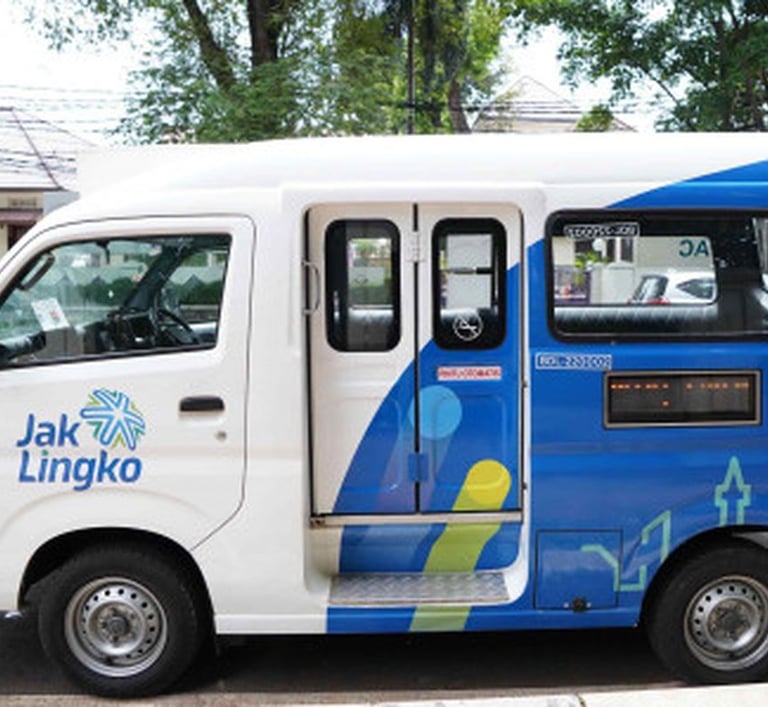
Angkot Minibuses: These local microbuses are a staple for budget travel and navigating smaller neighbourhood roads. While they can be crowded, they provide vital first and last mile connectivity to areas the major train lines do not reach.
The Iconic Bajaj: These orange or blue three-wheeled motorised vehicles are a signature sight on Jakarta’s streets. They are particularly useful for short trips through narrow residential lanes where cars cannot easily enter.
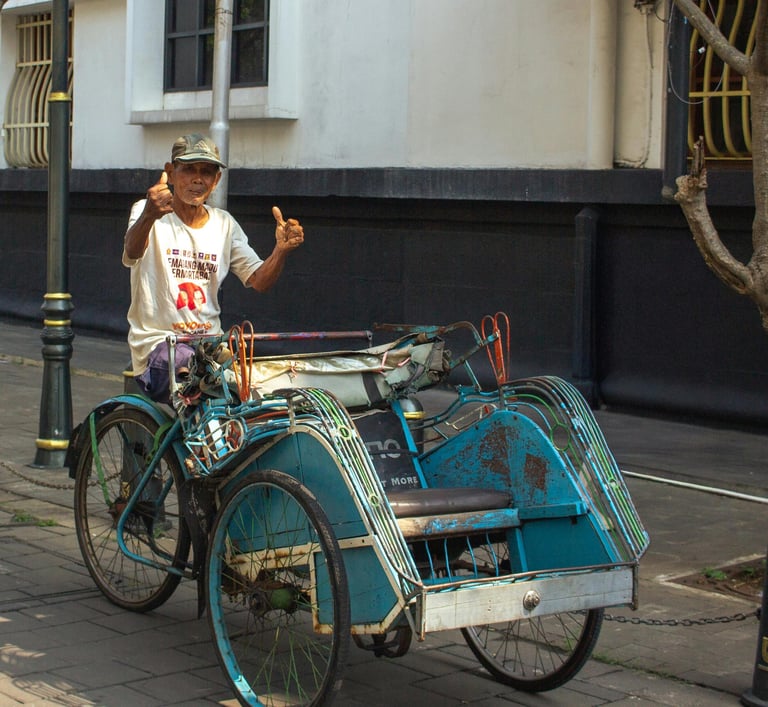
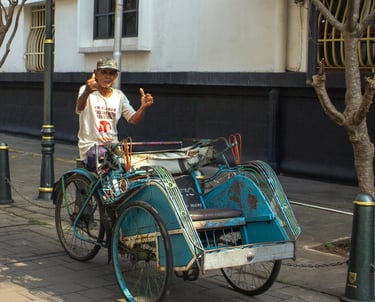
The Traditional Becak: Although restricted from main thoroughfares and primary roads, you can still find these traditional cycle rickshaws in specific residential areas and near traditional markets. They offer a slow and nostalgic way to travel very short distances within local communities.
Digital Integration: As of 2026, the transit system is highly integrated with cashless payments. You can easily tap your electronic money card or use mobile ticketing apps to transition between buses and trains.
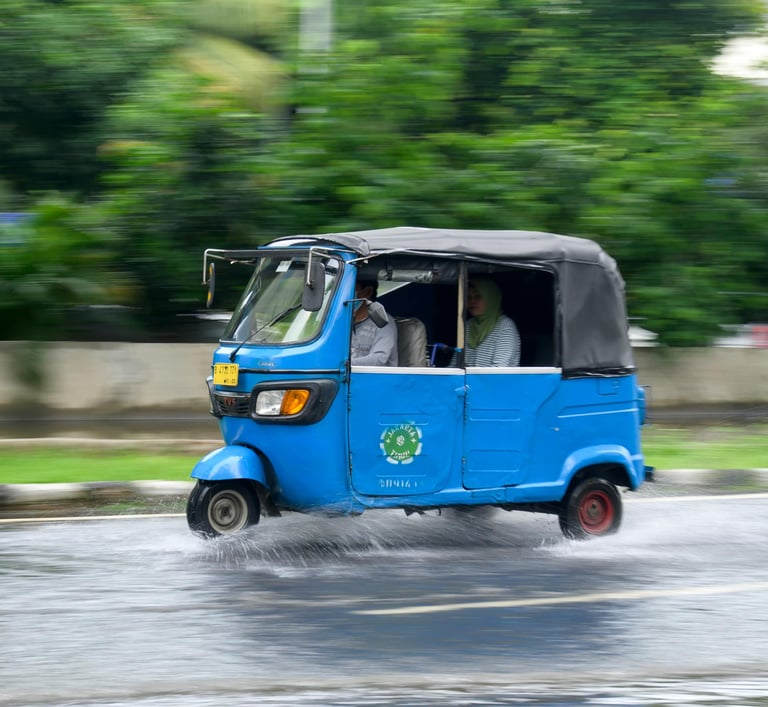
Bajaj
Becak
Angkot
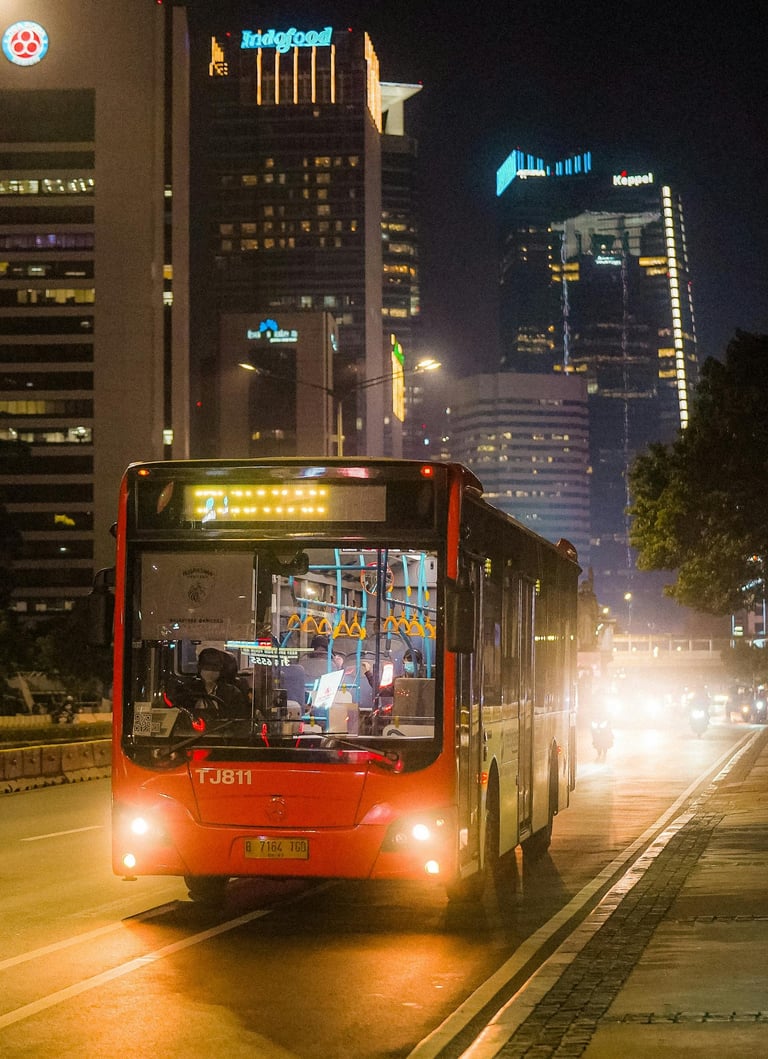
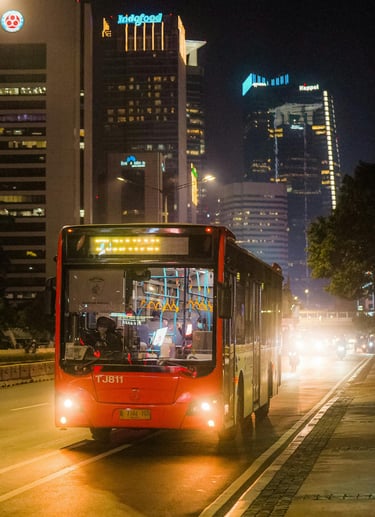
TransJakarta Bus
Bluebird Taxi
MRT
Don’t Get Stranded. Get the Cheat Sheet.
CITIES NEARBY
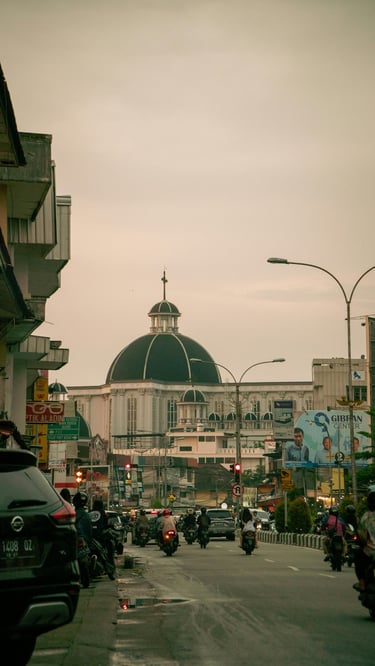
Surabaya
Kuching
Pontianak
Singapore
Bali
Bandung
Stop Touring. Start Belonging.
Jakarta.
Jakarta is a city of distinct contrasts that requires different modes of travel depending on your specific destination.
In the Central district, you can spend time exploring the national monuments and grand avenues on foot or via the MRT.
To the North, the historic port area of Ancol and the old Dutch colonial buildings require a mix of commuter rail and bus transit.
The South serves as the lifestyle and culinary heart of the city, home to trendy malls and leafy neighbourhoods that are best reached via private car or motorcycle hailing services.
The West and East districts offer a vibrant mix of traditional markets and massive shopping complexes that are well served by the TransJakarta network.
Wherever you choose to go, Jakarta offers an intense and rewarding mix of cultures that ensures every journey is an urban adventure. a fascinating glimpse into the multi-ethnic heritage of Sumatra.
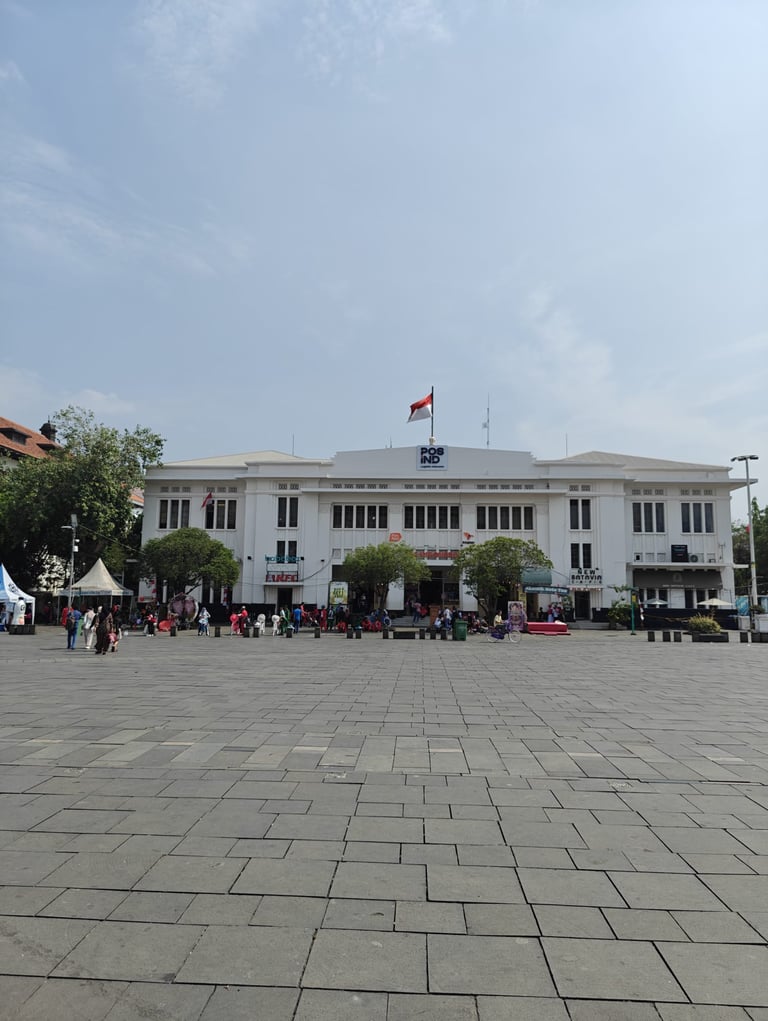
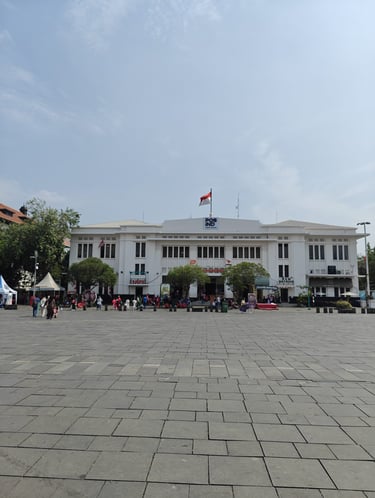
Discover Jakarta’s Dutch Heritage.
Get the latest updates from our travel guide and discover exciting destinations and useful tips at notitia.blog.
We are eager to discover and share insights about diverse cities around the world with even more destinations on the horizon.
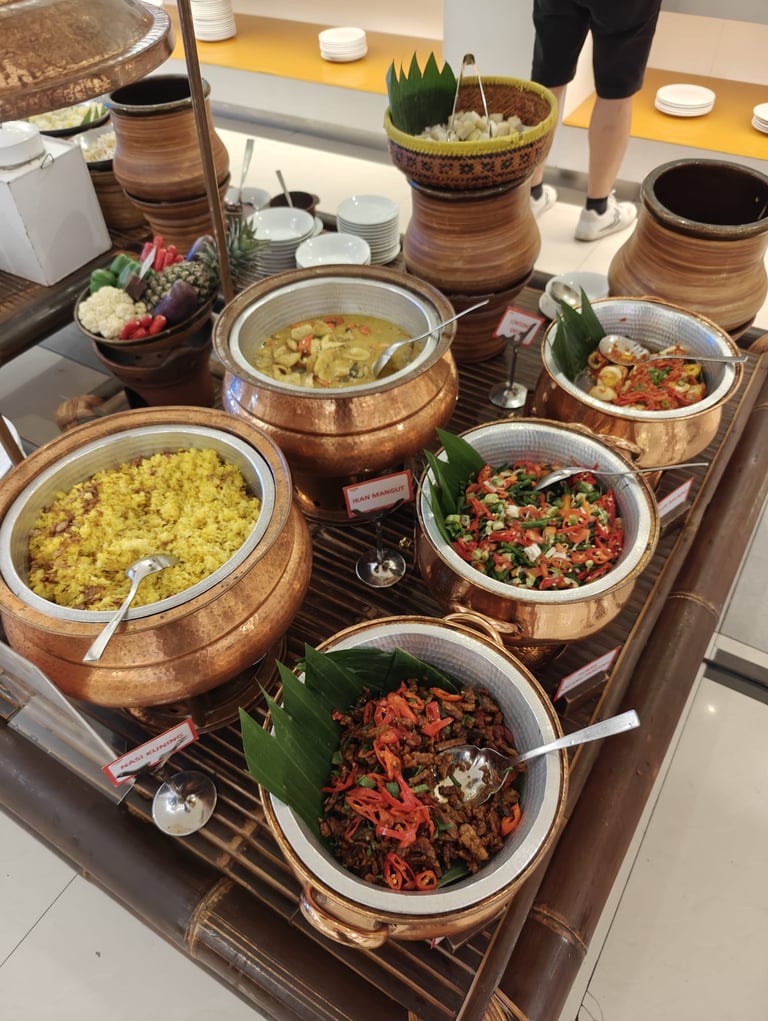
Nasi Kuning