
How to Order Like a Local: The 10 Phrases You Need for Asia’s Food Capitals
Learn how to order to experience a unique way of eating in 5 different cities.
KC - Notitia.blog
5/4/20263 min read
To order like a local in Asia’s heritage food hubs, you must look beyond the standard menu and use regional shorthand phrases that modify the "default" version of a dish. By mastering terms like "Chaa-Zau" in Hong Kong or "Red" in Kuching, you shift from a generic tourist order to a customised meal that reflects local history and your own palate.
The Golden Rule: The "Default" vs. The "Local Request"
In most heritage eateries, if you make no request, the chef will serve the "Purist’s Version" - usually seasoned with just lard and salt. Using local phrases allows you to tap into the evolution of the dish as it moved through different cultures.
1. Medan: The Sumatran-Hakka Fusion
In Medan, the food is a marriage of Chinese technique and Indonesian ingredients. If you make no request, your noodles are typically served savoury and light.
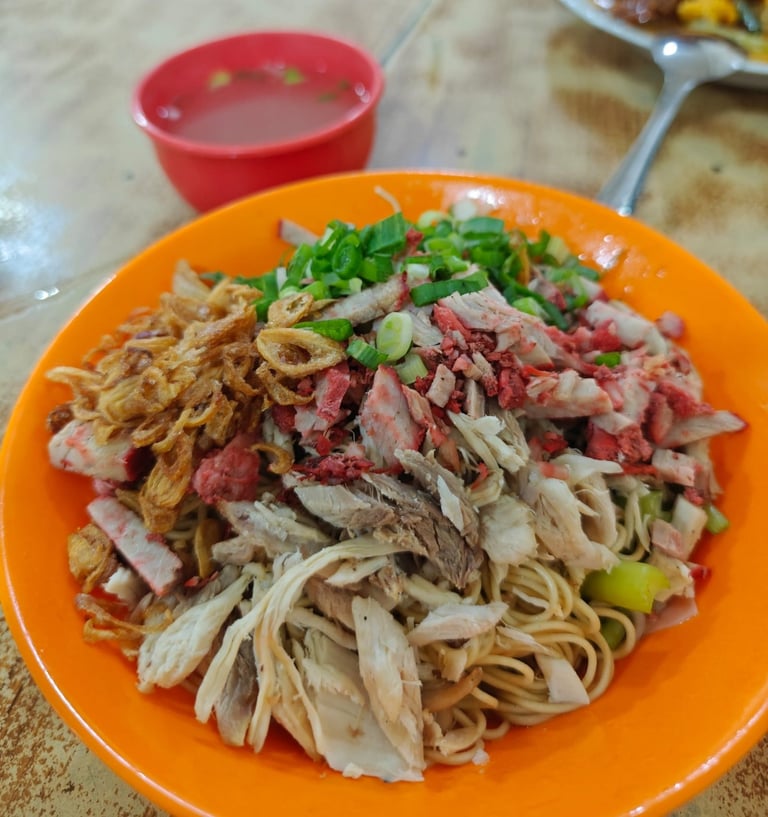
The Transition: The classic springy Hakka noodle remains, but in Medan, it is paired with local Pangsit (wontons) and often topped with a unique blend of savoury minced pork and red-tinged char siu.
The "Kecap Manis" Marriage: Immigrants in North Sumatra adopted the local Indonesian obsession with Kecap Manis (sweet soy sauce), transforming the salt-forward Chinese noodle into the darker, richer, and more malty Medan profile. Note the Indonesian spelling: Mie.
"Pakai Kecap Manis" (The Caramelised Soul)
Sounds like: Pa-kai Kay-chap Ma-nees
The Result: Adds the thick, syrupy Indonesian sweet soy sauce. This creates the dark, umami glaze that defines the authentic "Medan style".
"Tidak Pakai Cabe" (The Spice Safety Net)
Sounds like: Tee-dak Pa-kai Char-beh
The Result: "Do not use chilli." Medan spice is aggressive; saying "char-beh" marks you as a seasoned traveller who knows the local tongue.
2. Kuching: The Heritage Refreshers
Kuching's Kolo Mee without a request, you will receive "white" noodles (lard and garlic only).
"White / Red / Black" (The Noodle Trinity)
The Style: White is the purist's lard base; Red uses sweet Char Siu (BBQ pork) oil; Black adds savoury dark soy sauce.
The Local Way: Most locals opt for "Red" for a fragrant sweetness.
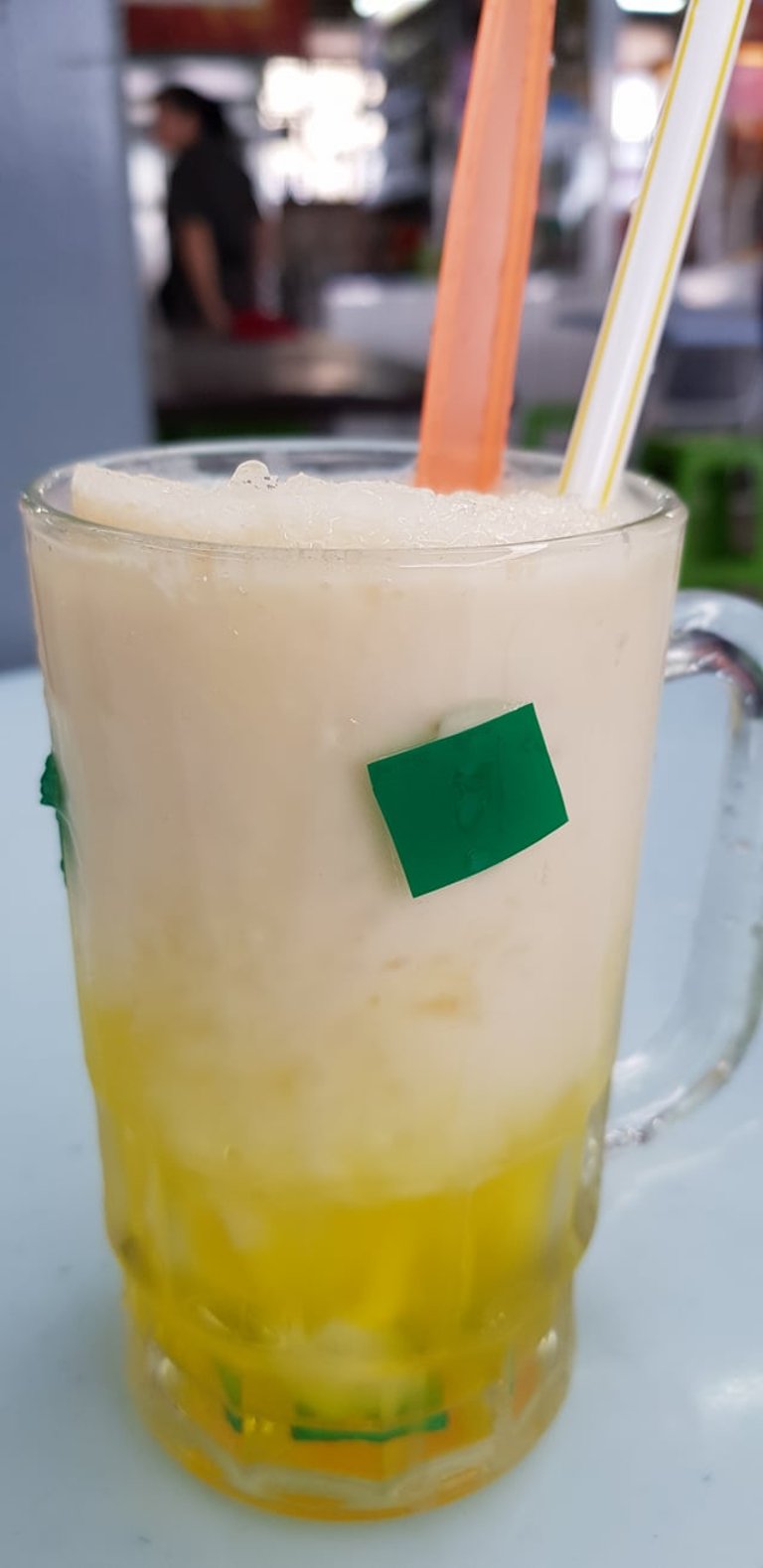
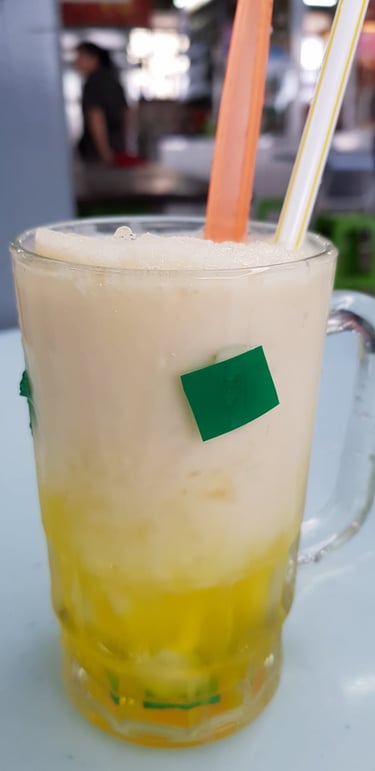
"White Lady" (The Signature Chiller)
The Style: A legendary Kuching-exclusive creation from the 1970s. It is a refreshing, multi-layered iced dessert drink.
The Ingredients: Shaved ice, evaporated milk, mango syrup, grenadine (red syrup), longan, lychee, slices of peaches, nata de coco, and sago.
3. Singapore: The Multicultural Mix
Singaporean drink culture is a playful blend of pop culture and "Mamak" (Indian Muslim) influence.
"Michael Jackson" (Soya Bean + Chin Chow)
The Origin: A popular 1990s hawker term named after the singer’s "Black or White" hit.
The Style: A mixture of white soya milk and black grass jelly cubes.
How to order: "Uncle, one Michael Jackson, less sugar."
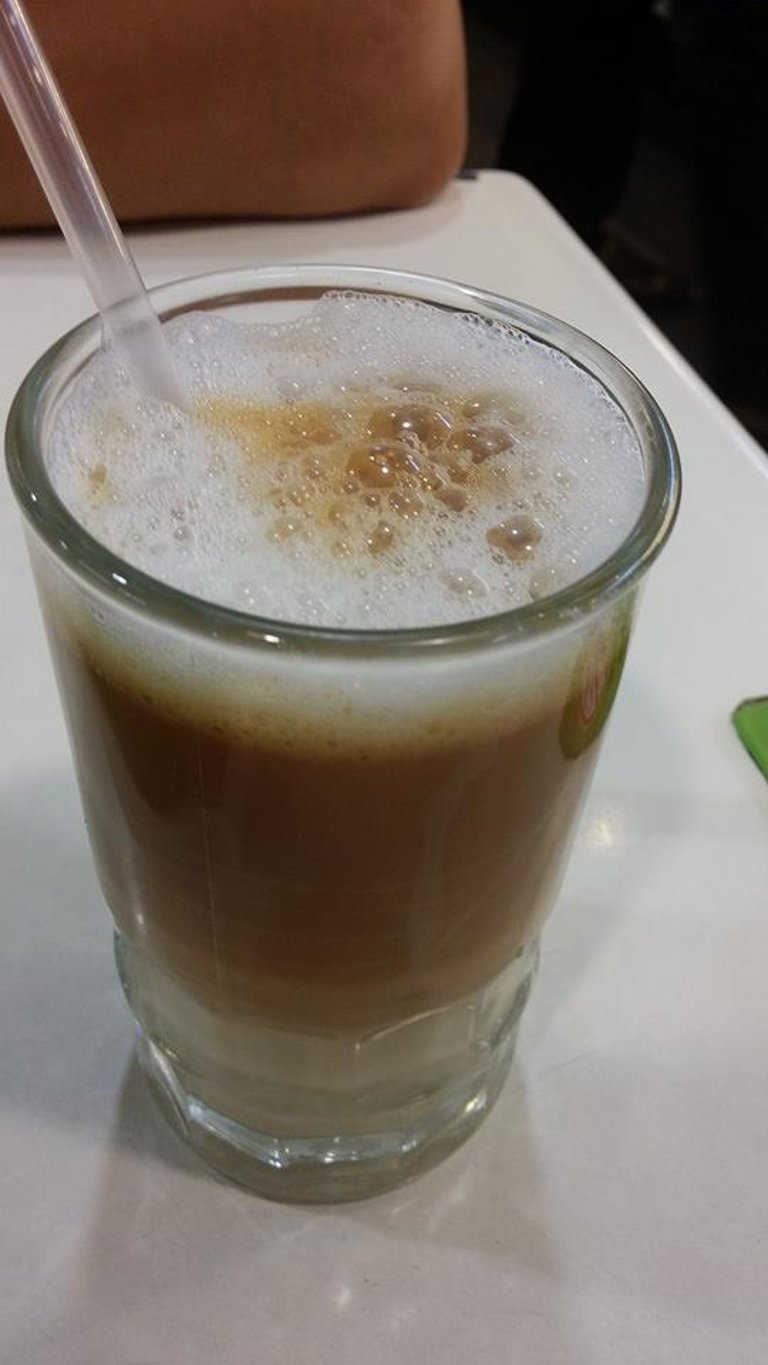
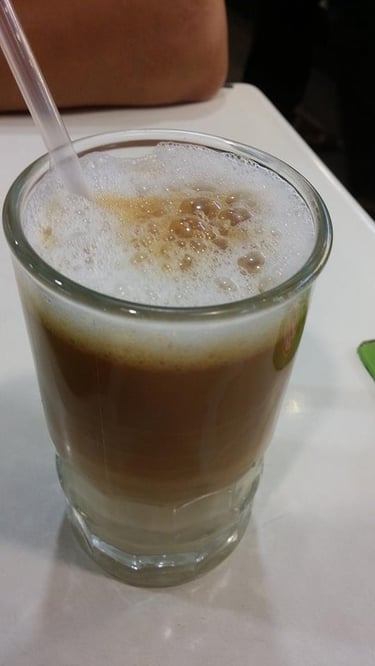
"Teh Cino / Kopi Cino" (The Indian Muslim Cappuccino)
Sounds like: Tay Chee-no / Ko-pee Chee-no
The Style: A layered drink with cold evaporated milk at the bottom, hot tea/coffee in the middle, and a thick, airy foam frothed on top.
How to order: "Boss, one Teh Cino, ice."
4. Hong Kong: The "Insider" Shorthand
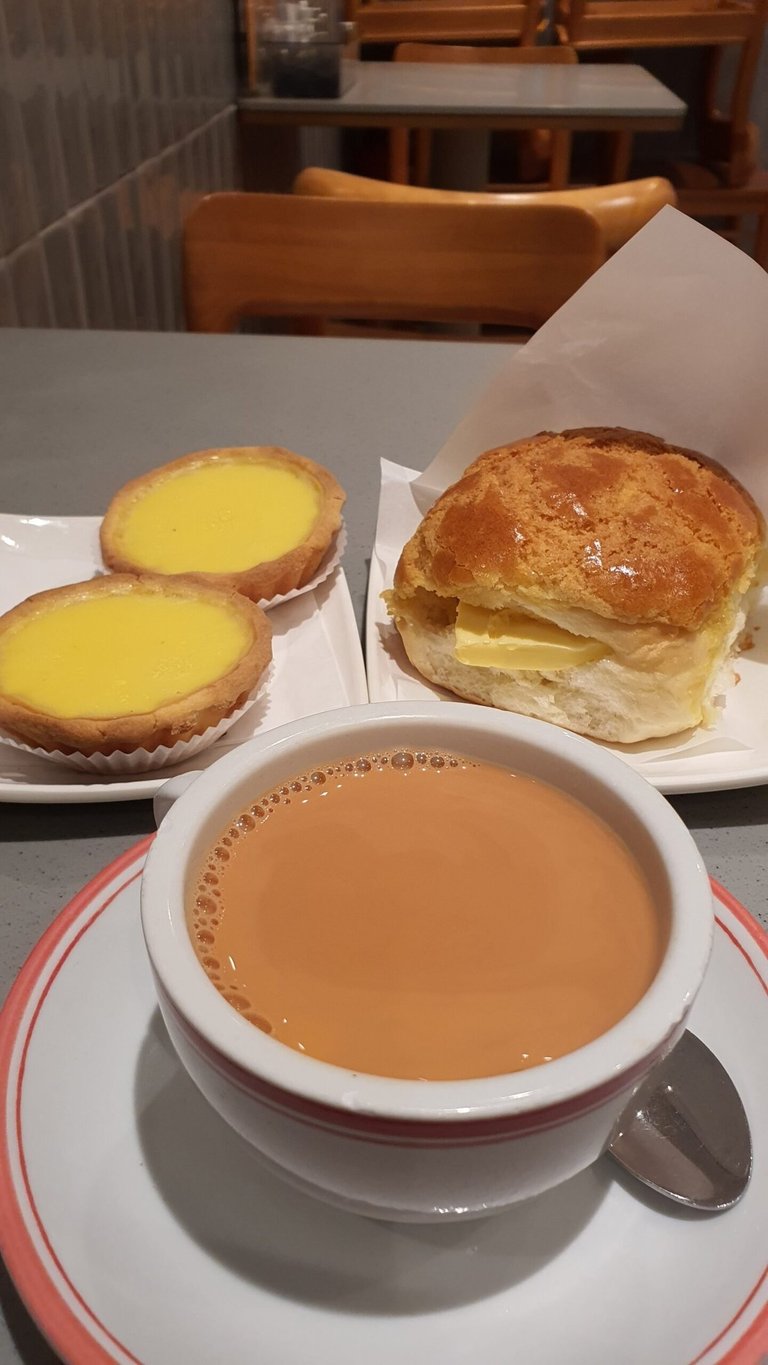
Efficiency is key in a Hong Kong cha chaan teng (HK-style cafe).
"Chaa-Zau / Fei-Zau" (The Silkier Classic)
Sounds like: Char-Zao / Fay-Zao
The Style: Replaces sugar and evaporated milk with condensed milk for a rich, velvet-like texture.
"Zau-Tim" (The Sugar-Free Request)
Sounds like: Zao-Teem
The Style: "Walk the sweet" – instructions to omit all sugar or syrup.
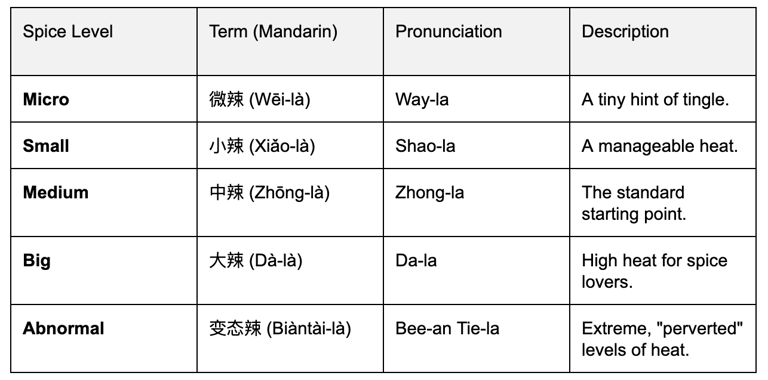
5. Shenzhen: Mastering the Spice Spectrum
In Shenzhen, managing heat is a survival skill.
"Bùyào là" (The Purist's Survival Phrase)
Sounds like: Boo-yao la
The Result: "No spice." Essential for enjoying the fresh "Wok Hei" of Cantonese stir-fries.
Why These Phrases Matter for notitia.blog Readers
Food is a map of history. When you order a "Red" Kolo Mee or a "Mie Pangsit" in Medan, you are tasting the evolution of a centuries-old Hakka recipe. Using these phrases doesn't just get you a better meal—it turns a simple lunch into a moment of true human connection.
notitia.blog © 2026. All rights reserved.