
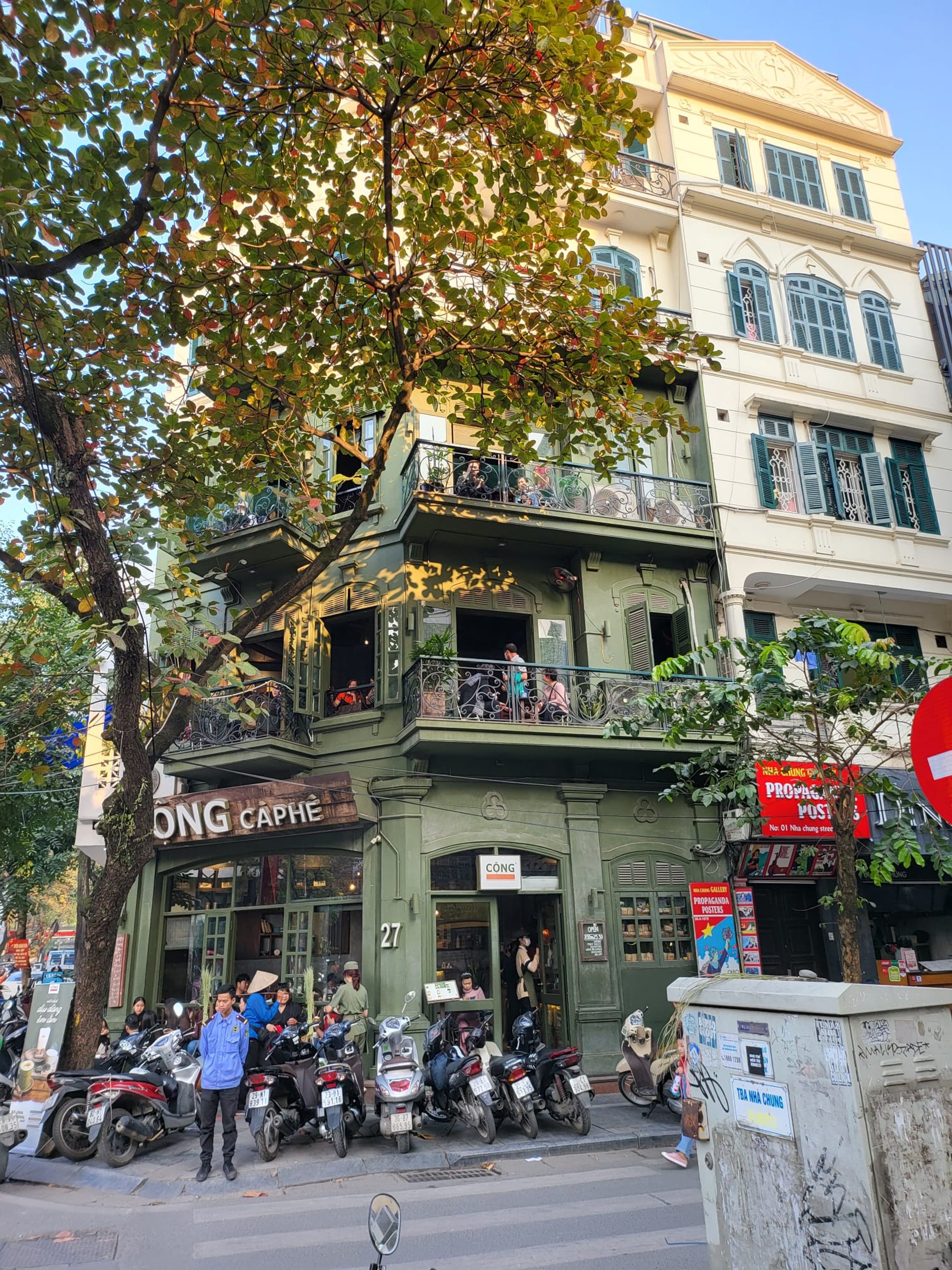
Taste The Real Hanoi


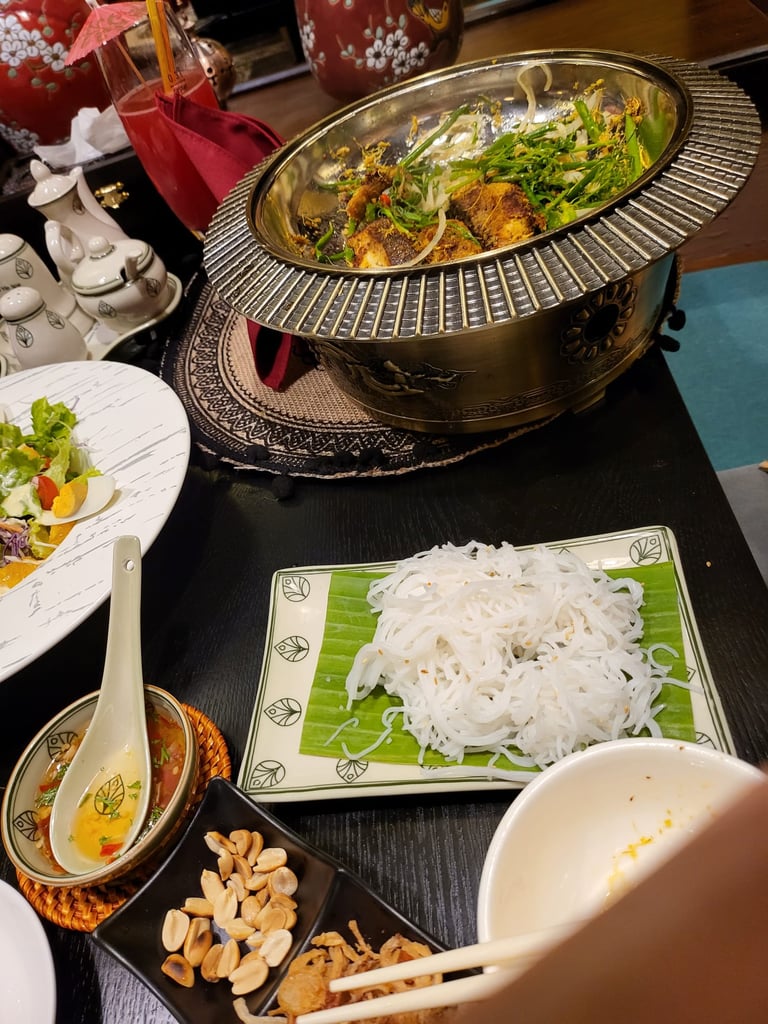
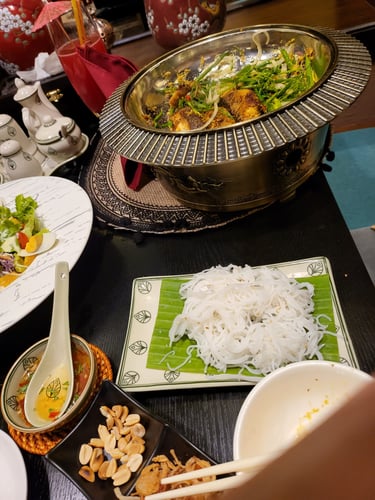
Vietnamese Hotpot
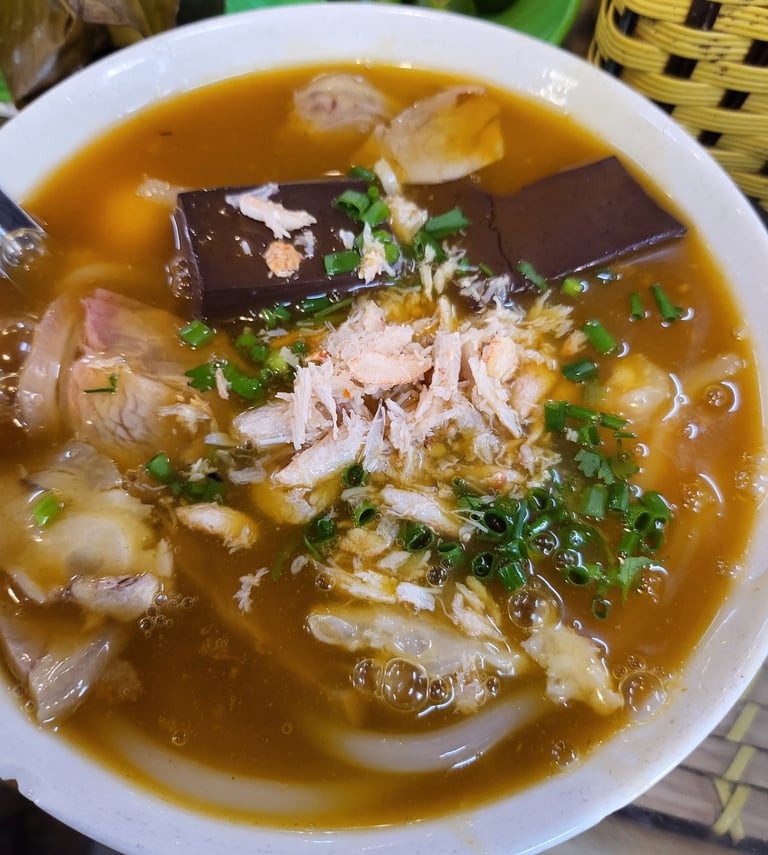
Crab Noodles (Banh Canh Cua )
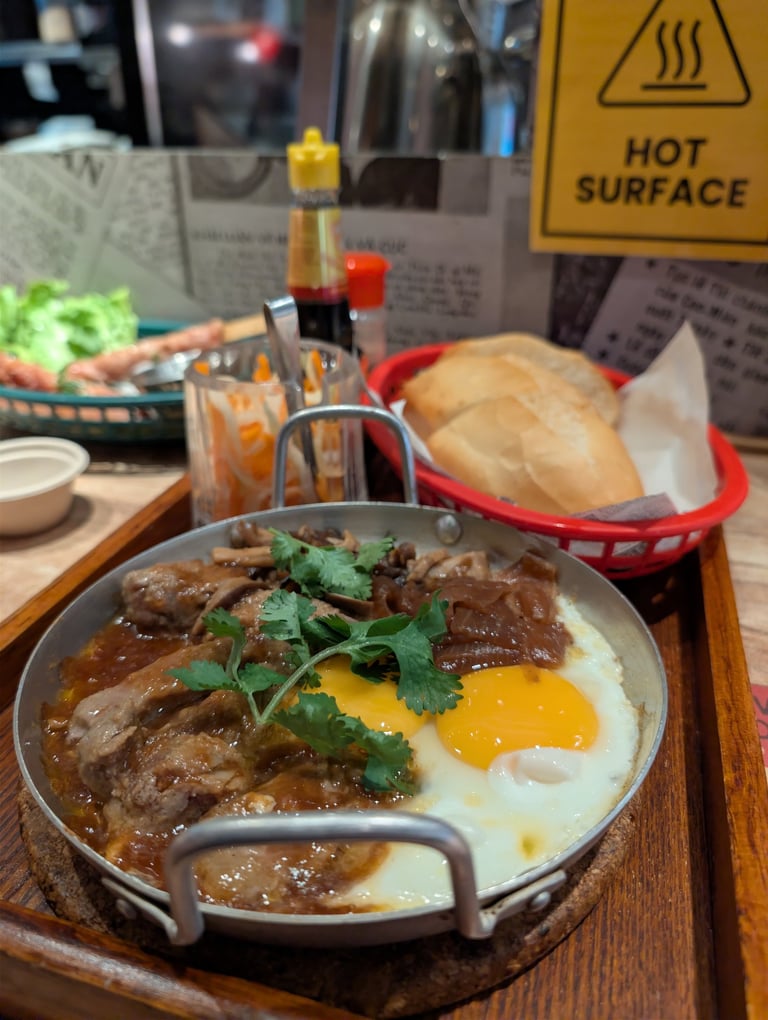
Vietnamese Steak And Eggs (Bò Né)
Cured Pork Roll (Nem Chua)
Stop Eating Like a Tourist.
Hanoi's Public Transportation
Getting Around
Navigating Hanoi offers a high-energy blend of ancient narrow streets and rapidly developing infrastructure, requiring a strategic approach to handle the city’s legendary motorcycle traffic. I highly recommend that you rely on ride-hailing apps such as Grab or Xanh SM for most of your travel. These platforms provide transparent fixed pricing for both private cars and electric taxis, ensuring you avoid the need to negotiate fares with unmetered drivers. For a truly immersive experience, the motorcycle taxi (xe om) remains the most efficient way to weave through the dense gridlock of the Old Quarter.
While the city is traditionally known for its chaotic road conditions, the recent opening of the Hanoi Metro has introduced a new level of modern convenience. The Cat Linh to Ha Dong line allows you to bypass the surface traffic entirely while enjoying elevated views of the city’s evolving skyline. For budget-conscious travellers, the network of local buses provides extensive coverage, though you should prepare for longer travel times during peak hours. Whether you are exploring the French Quarter on foot or heading to the West Lake district, having a digital payment method or local SIM card is essential for a seamless visit.
City Transit: Traditional and Modern Links
Hanoi is a sprawling metropolis that balances its historic roots with a sophisticated transport web designed to improve your travel experience.
The Metro System: The elevated rail lines serve as the backbone of the city’s modern transit strategy, connecting the bustling central districts with the residential and commercial hubs in the south and west.
Cyclos: These traditional three wheeled bicycle rickshaws are a signature sight within the Old Quarter. While they are too slow for general commuting, they offer a nostalgic and leisurely way to explore the heritage architecture and vibrant street life at a human pace.
Electric Sightseeing Cars: A newer addition to the city’s green strategy, these open air vehicles provide a quiet and communal way to tour the Hoan Kiem Lake area and its surrounding landmarks.
Public Bus Network: The city operates a comprehensive bus system with distinctive red and yellow vehicles. As of 2026, the system continues to move toward cashless integration, making it easier for visitors to navigate the city using digital transit apps.
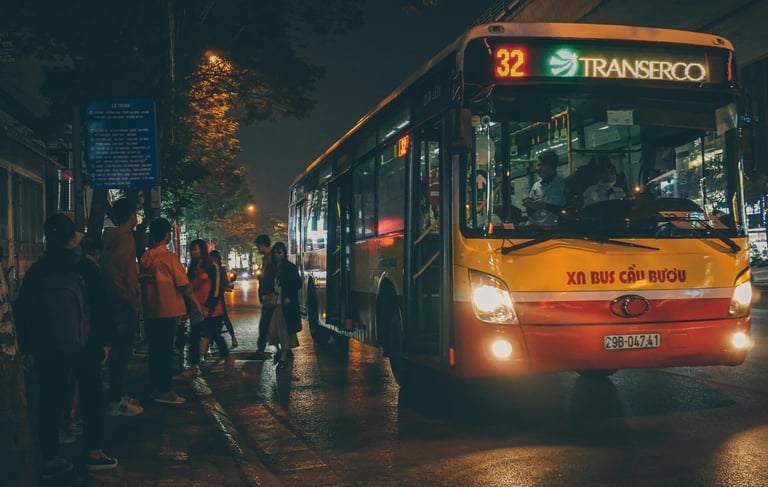
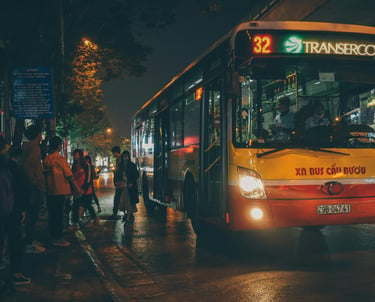
Hanoi Public Bus
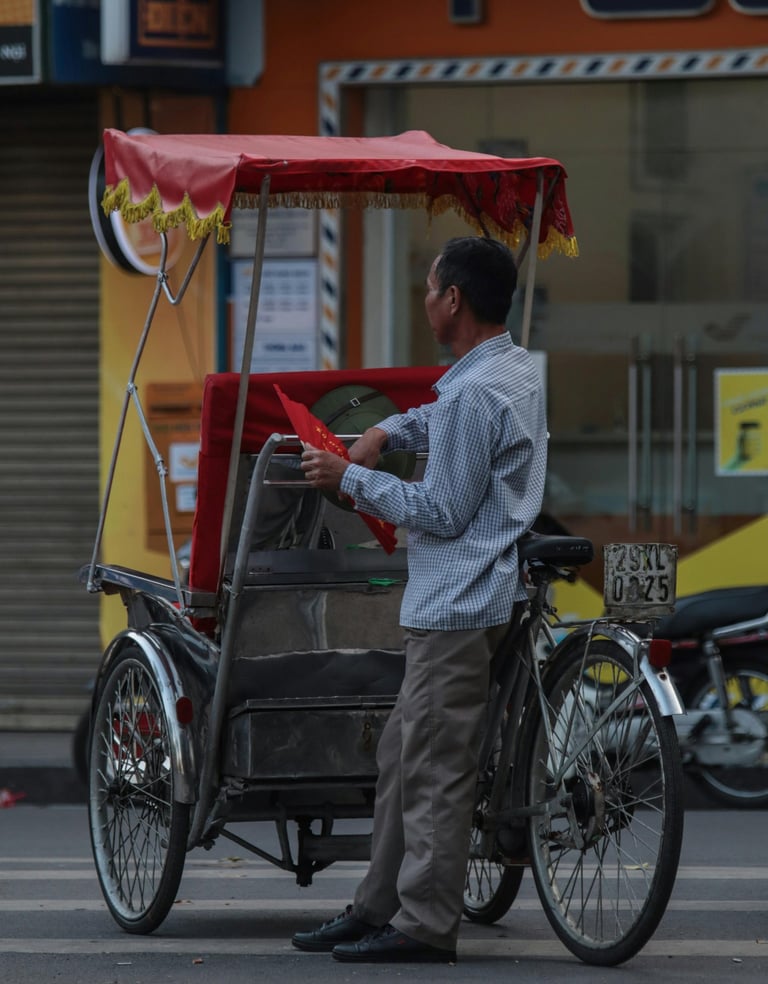
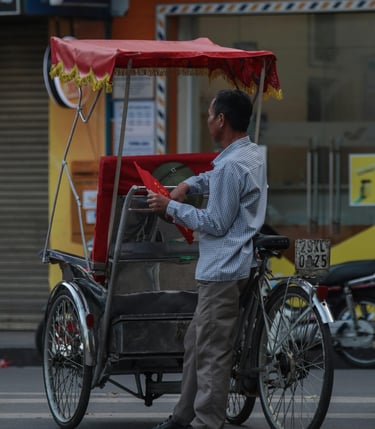
Cyclos
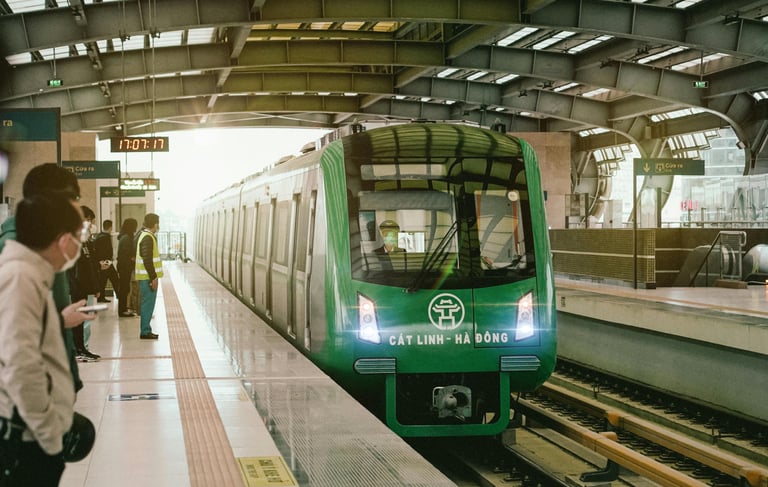
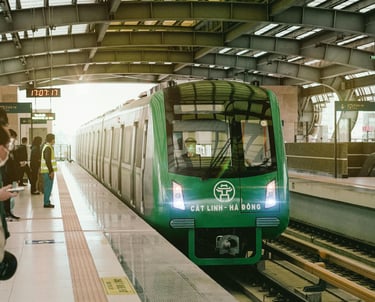
Hanoi Metro
Don’t Get Stranded. Get the Cheat Sheet.
CITIES NEARBY
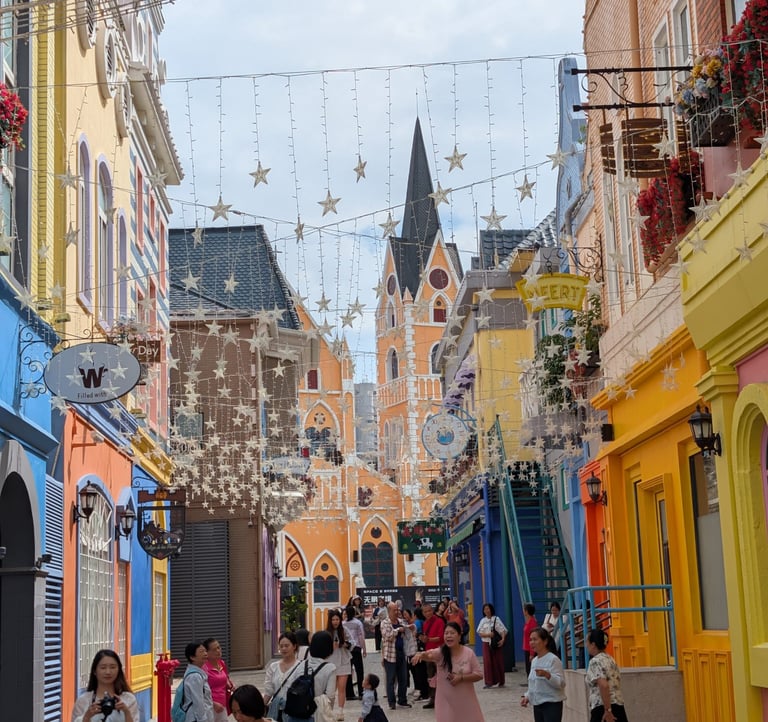
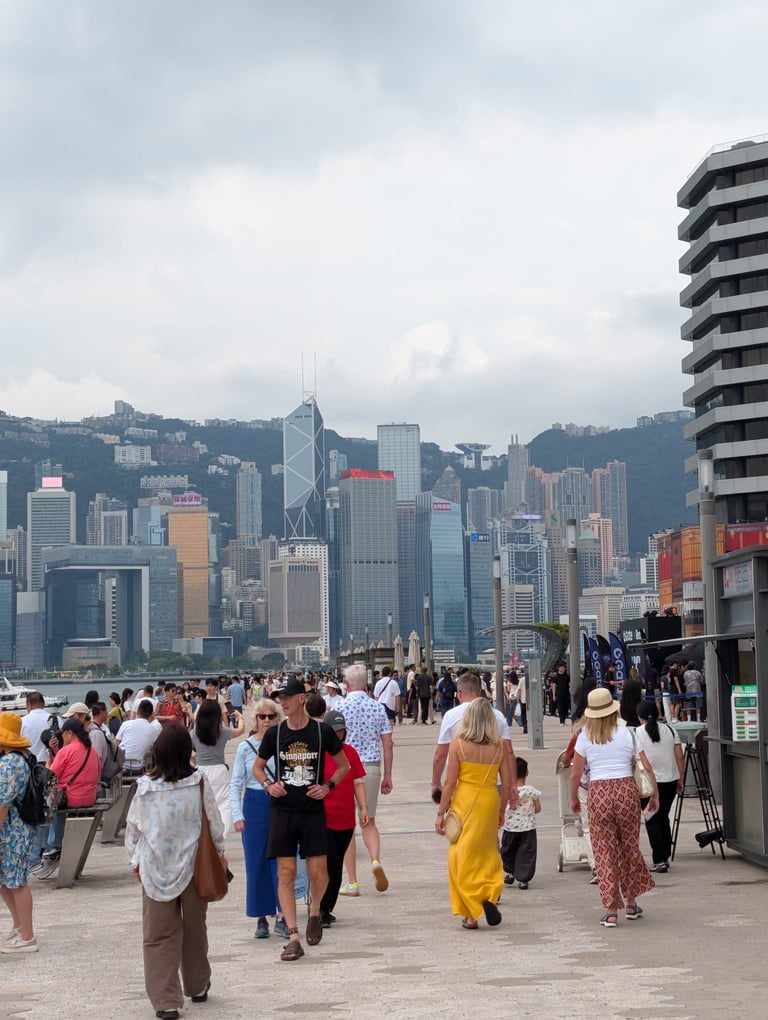

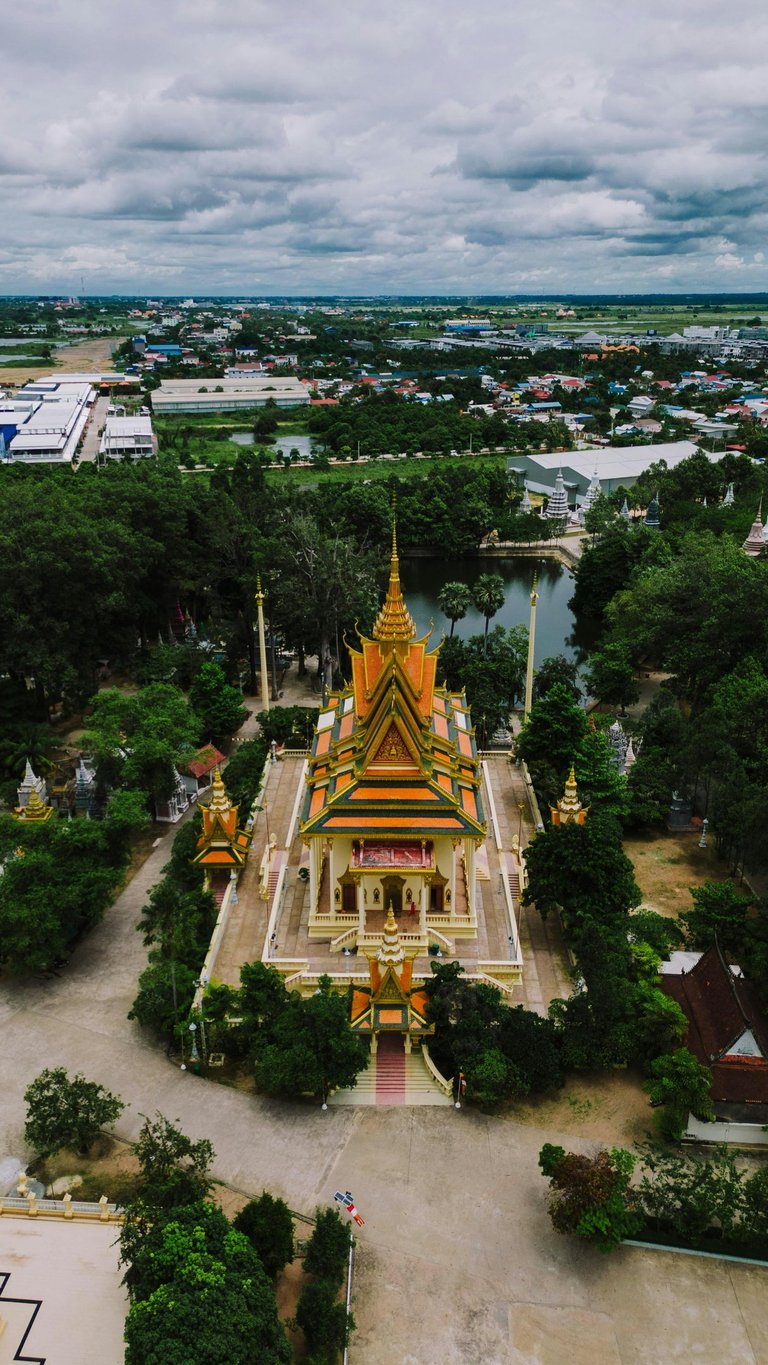
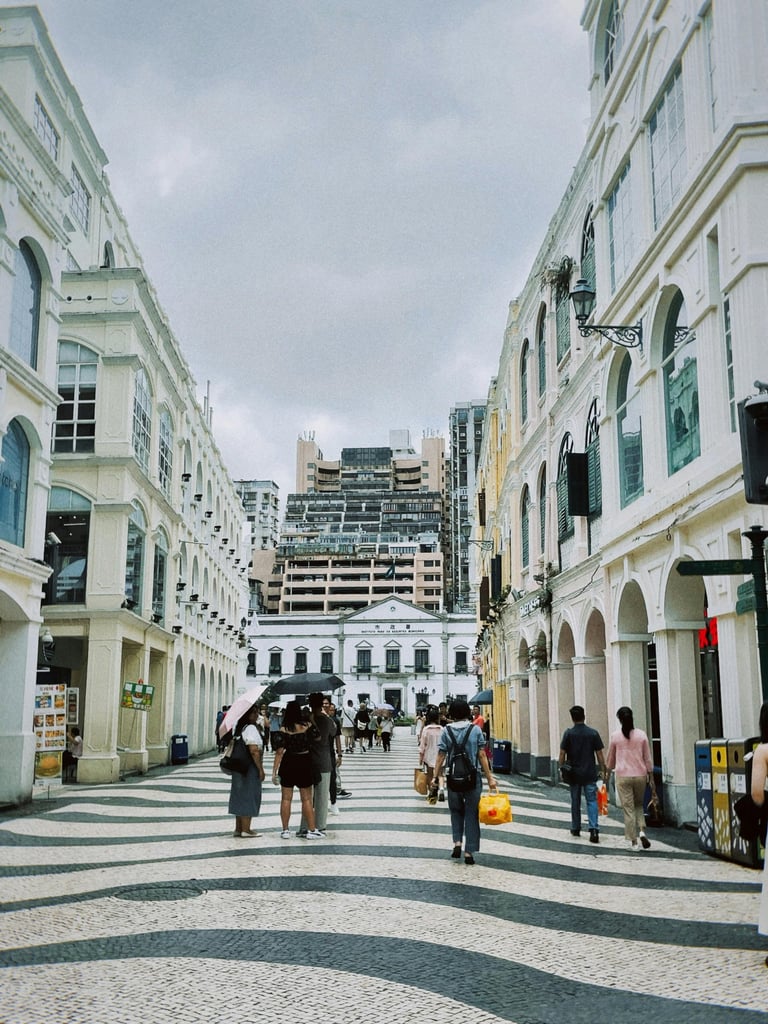
Hong Kong
Shenzhen
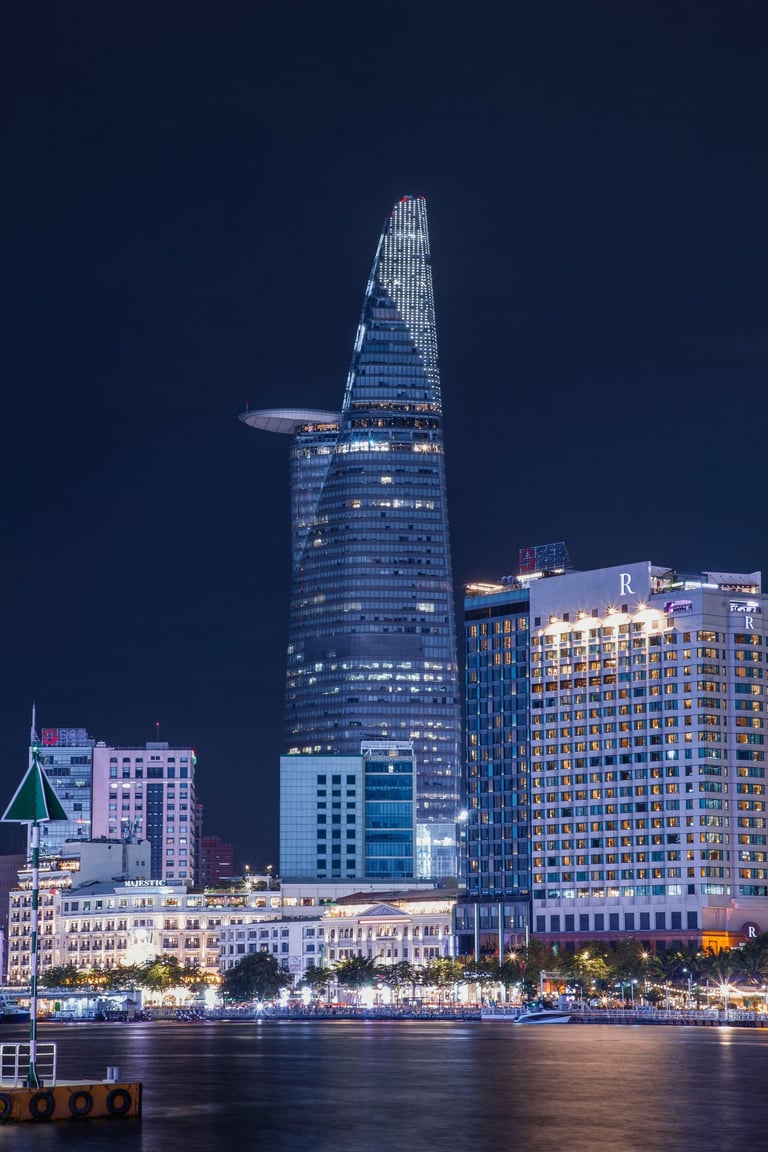
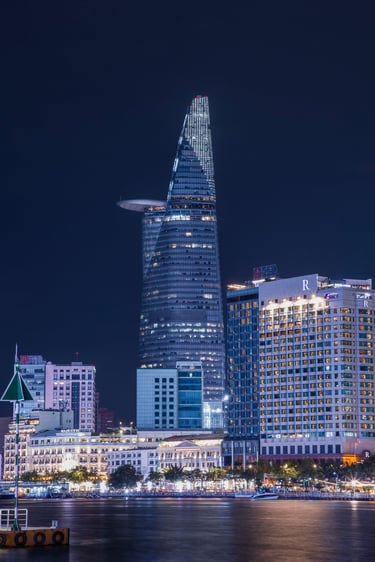
Ho Chi Min City
Phnom Penh
Macau
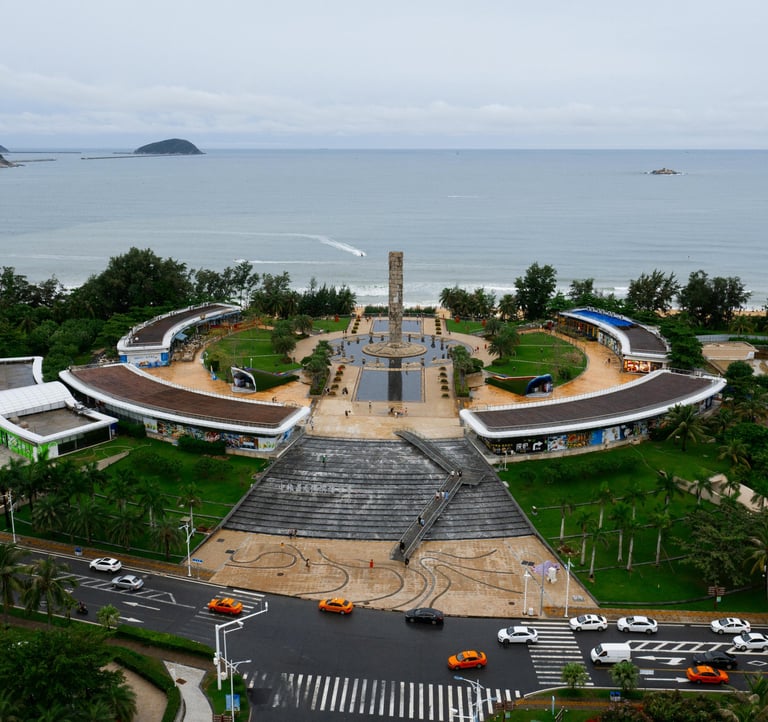
Sanya
Stop Touring. Start Belonging.
Hanoi, a little piece of France forever kept by Vietnam.
Hanoi is a city of distinct contrasts that requires different modes of travel depending on your destination.
In the Old Quarter and Hoan Kiem district, you can spend hours on foot exploring the thirty-six guilds and the scenic lakeside paths. To the south, the business and administrative centres are best reached via the metro or private car-hailing services.
The West Lake or Tay Ho district serves as the lifestyle and expatriate heart of the city, home to trendy cafes and lakeside villas that are most conveniently explored by rented bicycle or motorcycle.
The East and North districts, situated across the Red River, offer a mix of traditional craft villages and industrial parks accessible via the historic Long Bien Bridge or modern highway links.
Wherever you choose to go, Hanoi offers an intense and rewarding mix of cultures that ensures every journey is an urban adventure.
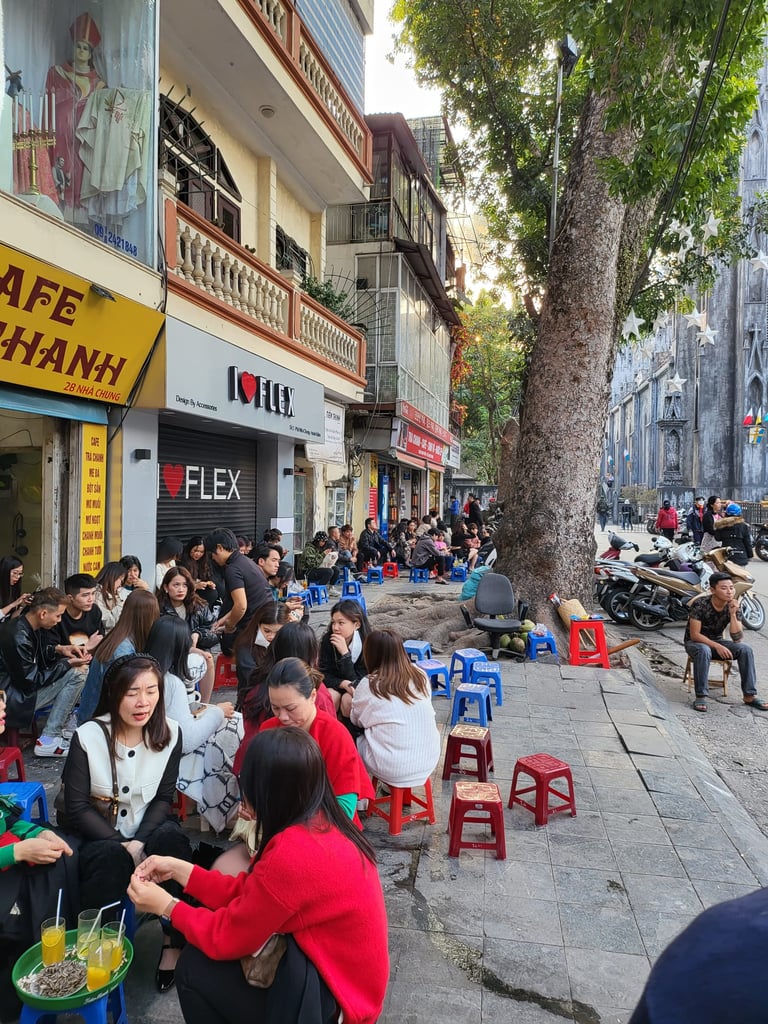
Discover Hanoi's French Charm
Get the latest updates from our travel guide and discover exciting destinations and useful tips at notitia.blog.
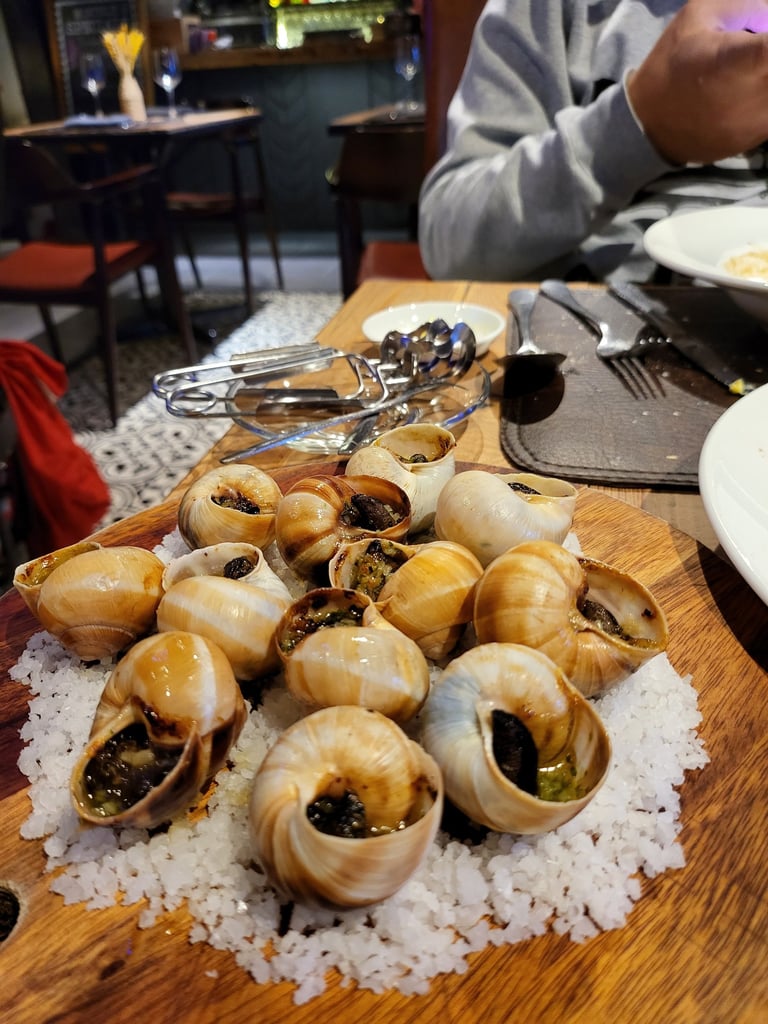
We are eager to discover and share insights about diverse cities around the world with even more destinations on the horizon.
French Quarter Escargot
notitia.blog © 2026. All rights reserved.